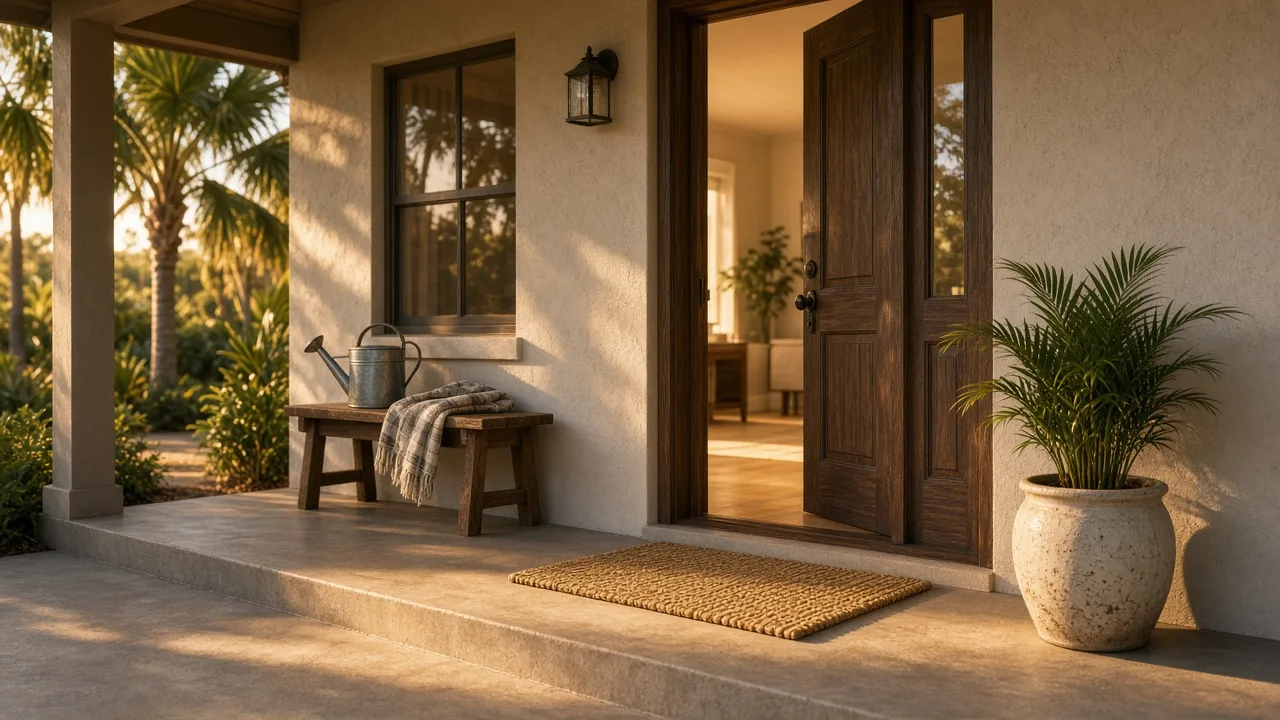
Your first year as a Florida homeowner is less about grand renovations and more about learning the rhythms of your house and the seasons around it. There is a natural order to things, settle in, understand your systems, plan for storm season, and prepare for your first property tax bill, and each one is easier than it sounds. Here is what actually happens, month by month, so nothing surprises you.
The first month: settle in and switch things over
Start with the small logistics so the rest of the year runs on autopilot. Change your address with the post office, set up your utilities, update your insurance on the cars, and put your name on the mailbox. Change the locks or rekey them, because you never know who has old keys floating around. And if the sellers left behind a garage door opener you cannot account for, reset it too. These little tasks take an afternoon and save you a year of small annoyances.
Get to know your systems
Every house has a personality, and the first year is when you learn it. Find the water shutoff valve before you ever need it, locate the electrical panel and label the circuits while you are calm, and change the AC filter on a regular schedule, because in Florida your air conditioner works hard all year. Your home inspection report from the purchase is the best owner's manual you will ever get, and I walked through everything it covers here so you can use it.
Plan for the seasons
Florida's year runs in its own time. Summer brings heat, afternoon storms, and daily AC duty. Hurricane season runs from June through November, and a little preparation goes a long way, and I put together a calm, practical rundown of what storm season means for homeowners. Fall and winter are the mild, gorgeous months, the best time of year for outdoor projects, painting, and enjoying the yard. Knowing the rhythm means you protect the house before the season arrives instead of scrambling during it.
Your property tax bill arrives in November
For most Florida homeowners, the property tax bill shows up in November, and Florida even rewards early payment with a discount. If you made this your homestead, you may qualify for the homestead exemption and the Save Our Homes cap that protects your assessment growth, which are two of the best things about owning in Florida. Whether you are a first-time buyer or new to the state, I wrote a full guide to your first Florida property tax bill so the numbers make sense.
Keep a little breathing room
Own a home long enough and you will learn that things wear out on their own schedule. A small cushion set aside for the unexpected AC repair or the surprise water heater keeps a house from ever feeling stressful. Even a modest monthly habit adds up fast, and it turns emergencies into inconveniences. And when a bigger project does come up, being ready means you can shop calmly instead of rushing.
Start a home file
Keep everything in one place: your inspection report, the warranties that came with the appliances, receipts for anything you fix, and the contact info of the contractors you liked. A year from now, when the warranty question comes up or you need the person who fixed the screen door, you will be glad it is all in one folder. It is a ten-minute habit that pays off for as long as you own the house.
The first year is a learning year, and that is exactly what it should be. Every season shows you something new about your home, and by year two you will run the place like a seasoned Floridian. If you are house hunting now and want someone who will help you see past the pretty staging to the real monthly life of the home, I would love to be that person for you.

Written by
Ruth Rivera
Broker Associate with Coldwell Banker Realty, in real estate since 1992, with offices across Florida. 1000+ homes sold, licensed in Florida (BK3168285). Bilingual, English and Spanish.
Have a question about your specific situation?
Ruth answers personally, in English or Spanish. She's got your back.
Ask Ruth