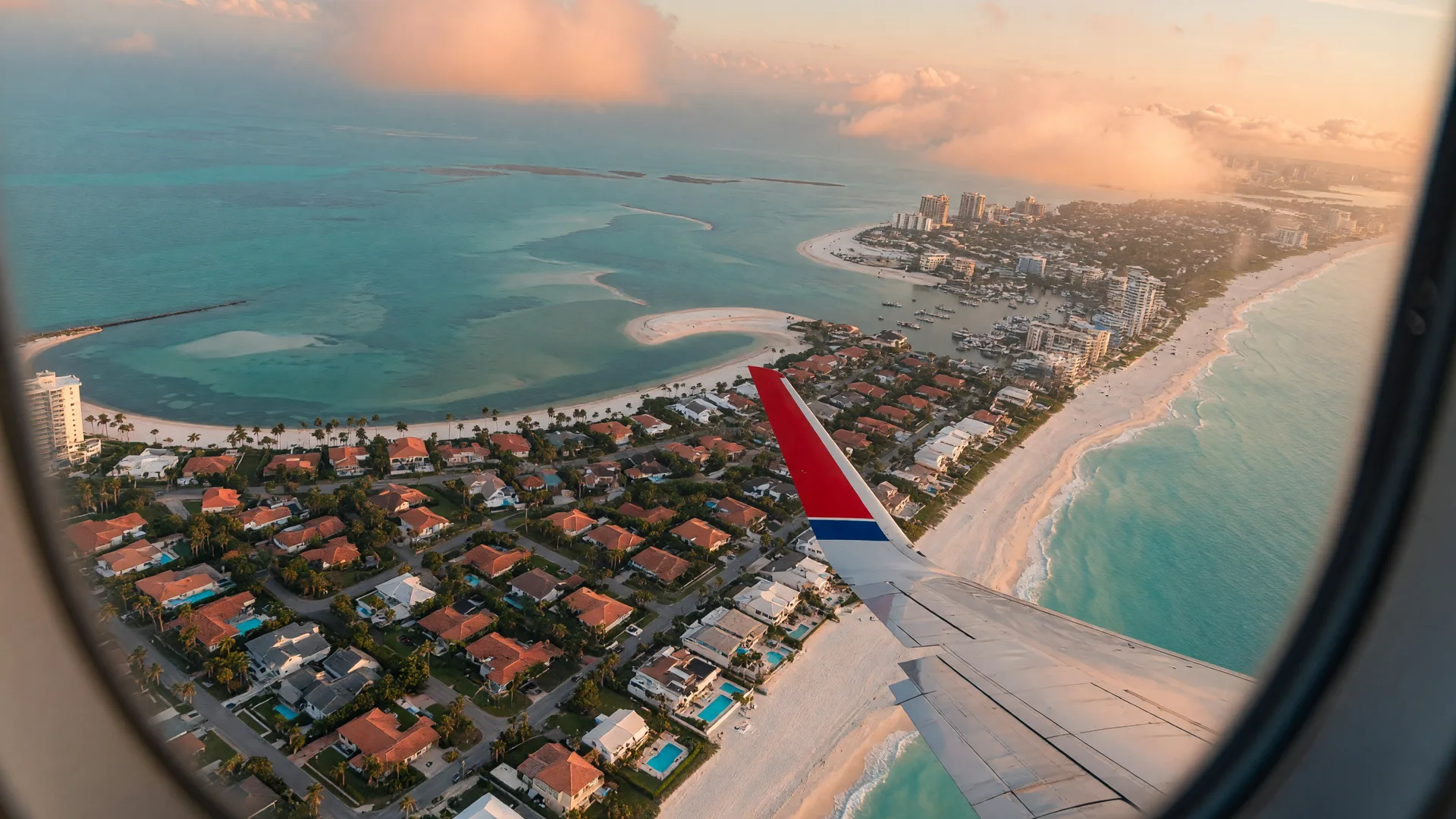
I take a version of this call almost every week: someone in Puerto Rico or Latin America who has always dreamed of a home in Florida, and is not sure it is possible from so far away. I love this conversation, because the answer for almost everyone is a confident yes. The path looks a little different depending on where you are starting from, so let me walk you through it plainly.
If you live in Puerto Rico, you are already a U.S. buyer
Puerto Ricans are U.S. citizens, so the rules are the same as for any buyer on the mainland. Conventional loans, FHA loans with as little as 3.5% down, and VA loans for eligible veterans are all on the table. The one real hurdle I see is credit history: when all of your credit lives in Puerto Rico, lenders want to see a U.S. credit profile, or documented alternative credit such as on-time rent and utility payments when that profile is thin. The fix is simple if you start a little early: open a credit card or two stateside, pay on time, and ask your lender how they use alternative credit. My guide to credit scores explains what lenders actually weigh.
From Latin America, yes, you can own a Florida home
You do not need U.S. citizenship, a green card, a visa, or even a U.S. credit score to buy property in Florida. That surprises people, and it is genuinely good news. The realistic paths: a foreign-national loan from a U.S. lender, which typically works with a down payment in the 20% to 40% range and verifies income through employer letters, foreign tax returns, and bank references; or an ITIN loan once you have an Individual Taxpayer Identification Number from the IRS, which usually expects a larger down payment and a couple of years of U.S. tax returns. Cash, when it is an option, is the simplest path of all. Financing always comes from a U.S.-based lender, so your first step is a lender who has closed international files before.
The practical list that keeps it smooth
Open a U.S. bank account early; you will need it for your earnest money, the wire to closing, and your monthly payment. Plan your fund transfers with extra time, because wires in and out of the country have timelines and rules. Expect to document more: foreign income and bank statements take a little longer to verify, and that is normal, not a problem. And budget for a larger down payment and reserves on foreign-national loans, because a stronger file is a file that closes.
One Florida law worth knowing before you look
Florida law (SB 264) restricts property purchases by foreign principals from a short list of countries, and for most buyers it simply means signing a short disclosure form at closing. If your situation could fall under it, a Florida real estate attorney is the right person to check with. Florida Realtors has a plain summary of who it covers. For everyone else, this is a routine part of the closing, not a reason to hesitate.
One federal rule for much later
When a foreign national sells a U.S. property, the buyer generally withholds 15% of the sale price for the IRS under FIRPTA, unless an exemption such as the residence exception applies. That is a someday question, and your tax advisor will know it well, so it changes nothing about buying your Florida home today.
You do not have to do any of this alone or in person
Most of my international clients start with video tours, virtual showings, and video calls, and I walk with them from the first search to the final signature. I am fluent in English and Spanish, I hold the CIPS designation for international real estate, and I have guided buyers from Puerto Rico and Latin America for years. Not by chance. By design.
If you are thinking about a Florida address from an island or a country away, call me. We will talk about your timeline, your budget, and the right way to build this, in English or Spanish, no pressure, and I've got your back.

Written by
Ruth Rivera
Broker Associate with Coldwell Banker Realty, in real estate since 1992, with offices across Florida. 1000+ homes sold, licensed in Florida (BK3168285). Bilingual, English and Spanish.
Have a question about your specific situation?
Ruth answers personally, in English or Spanish. She's got your back.
Ask Ruth